
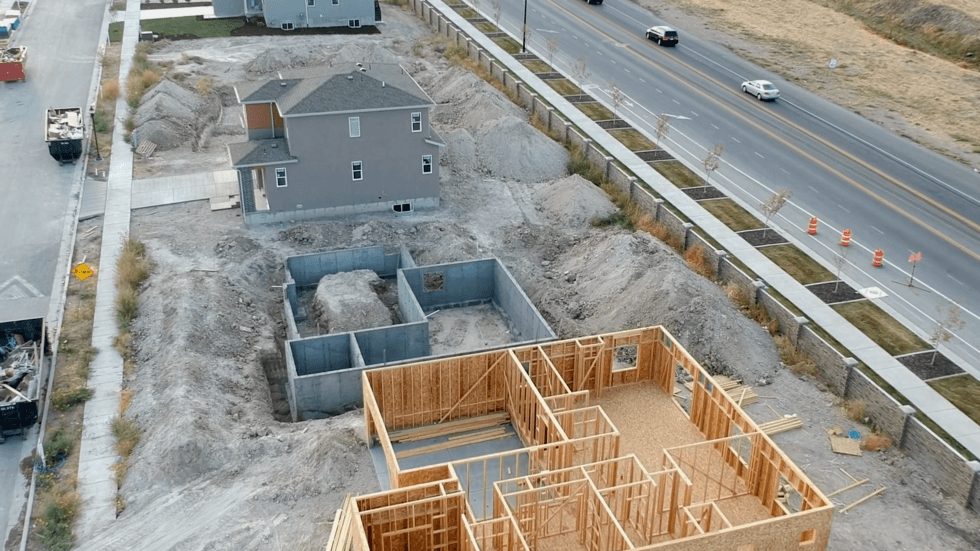
The outcome of your development isn't determined during construction, it's determined in how well the dirt is understood and optimized before it begins.
In construction, most developers focus on what's visible homes, amenities, timelines. But the real outcome of a project is decided much earlier.
It's decided in the dirt.
And when dirt isn't optimized, the consequences don't show up all at once they compound. Over-imported material, inefficient grading, rework between phases, and slower build cycles.
These aren't isolated problems. They're symptoms of decisions made too late, with incomplete or inaccurate information.
The Hidden Lever That Protects or Destroys Your Margins
When grading decisions are made without real data, developers aren't optimizing they're guessing. And that guesswork gets expensive fast.
Most grading plans look good on paper. But the field doesn't operate on paper.
It operates on real conditions existing topo, drainage behavior, soil variability, and equipment constraints.
That's where the disconnect happens.
The design says one thing, the dirt does another.
And that gap is where margin disappears.
True dirt optimization closes that gap before construction ever begins.
It starts with accurate, current topography not outdated surveys or assumptions. It continues with constructible 3D models that reflect how the job will actually be built.
And it requires iteration testing grading strategies to eliminate unnecessary import, balance material on-site, and reduce rehandling.
When done correctly, dirt optimization doesn't just improve plans it transforms outcomes.
What Happens When You Get It Right
- Reduced import and export costs
- Faster lot readiness and build cycles
- More competitive, confident bids
- Fewer change orders and surprises
- Improved coordination across teams
- Greater cost certainty from day one
Stay Ahead of the Dirt
The earlier you understand and optimize your site, the more control you keep. The less you leave to chance, the more margin you protect.
Frequently Asked Questions
What is dirt optimization in construction?
Dirt optimization is the process of using accurate, current topography and constructible 3D grading models before construction begins, so material is balanced on-site and grading strategies are tested and refined before equipment ever moves dirt.
Why does dirt optimization matter for a developer's margins?
Grading decisions made without real field data are guesswork, not optimization. When a paper design doesn't match actual site conditions, such as existing topo, drainage behavior, soil variability, and equipment constraints, that gap is where margin disappears.
When should dirt optimization happen in a project?
Before construction begins. The earlier a site is understood through accurate topography and constructible modeling, the more control a developer keeps and the less is left to chance once crews are on the ground.
What results come from getting dirt optimization right?
Reduced import and export costs, faster lot readiness and build cycles, more competitive and confident bids, fewer change orders and surprises, improved coordination across teams, and greater cost certainty from day one.
How is dirt optimization different from a standard grading plan?
A standard grading plan is often based on paper designs that assume ideal conditions. Dirt optimization iterates against real, current site data and constructible 3D models so the plan matches how the job will actually be built in the field.